
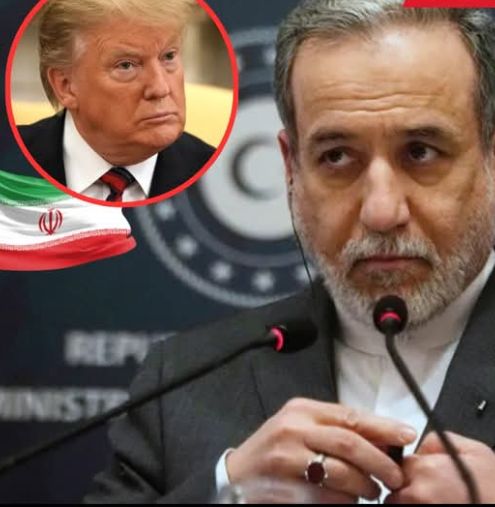
Iranian Foreign Minister Abbas Araghchi has delivered a defiant response to calls for a ceasefire, signaling that Tehran is not yet ready to return to the negotiating table. By framing the current conflict as a necessary means to “teach a lesson,” the Iranian leadership is emphasizing a doctrine of overwhelming deterrence intended to permanently discourage future foreign military interventions.
This bold stance comes amid intensifying long-range exchanges and a tightening naval blockade in the Persian Gulf, where both sides have significantly raised the stakes. Araghchi’s rhetoric suggests that from Tehran’s perspective, a premature ceasefire would be viewed as a sign of weakness, whereas a prolonged resistance is seen as vital for national pride and long-term security.
Military analysts observe that this “lesson” likely refers to Iran’s ability to disrupt global energy markets and strike strategic targets deep within allied territories. The Foreign Minister’s words are designed to project a position of strength to both a domestic audience and regional adversaries who are weighing their own involvement in the standoff.
Historically, Iranian diplomacy has often balanced hardline rhetoric with back-channel negotiations, but the current tone reflects a complete breakdown in formal communication with the White House. The focus on “teaching a lesson” underscores a shift toward a more kinetic form of diplomacy, where military outcomes are expected to dictate future political boundaries.
As the international community expresses growing alarm over the lack of a diplomatic exit ramp, the focus remains on whether this hardened stance will lead to a full-scale regional confrontation. The refusal to seek a ceasefire suggests that Tehran is prepared for a sustained conflict, banking on its asymmetric capabilities to weather the storm.